If you want to sell minerals at auction, understanding how online mineral auction platforms work is essential. Whether you are an independent dealer or run regular weekly sales, structured auctions can increase exposure, improve turnover, and reduce administrative workload.
In this guide, you’ll learn how to sell minerals at auction efficiently, price them strategically, and streamline shipping and payments.
Why Sell Minerals at Auction?


Selling at auction offers several advantages:
- Competitive bidding can increase final prices
- Access to international collectors
- Predictable auction timelines
- Increased visibility for new inventory
- Faster inventory turnover
Unlike fixed-price listings, auctions create urgency — and urgency drives bidding activity.
Step 1: Choose the Right Auction Platform
Not all mineral auction platforms operate the same way.
Before listing, evaluate:
- Commission structure
- Listing fees
- Payment processing system
- Shipping workflow
- Vendor dashboard clarity
- Auction scheduling reliability
A modern mineral auction platform should:
- Offer secure checkout
- Reduce manual invoicing
- Simplify combined shipping
- Provide clear order tracking
Automation saves time — and time is money for dealers.
Step 2: Price Your Starting Bid Strategically
To sell minerals at auction successfully, starting price matters.
Consider:
- Rarity of the specimen
- Aesthetic quality
- Size and locality
- Current market demand
Lower starting prices often generate more bidding activity, but only if the platform attracts serious buyers.
Avoid setting unrealistic reserves that discourage participation.
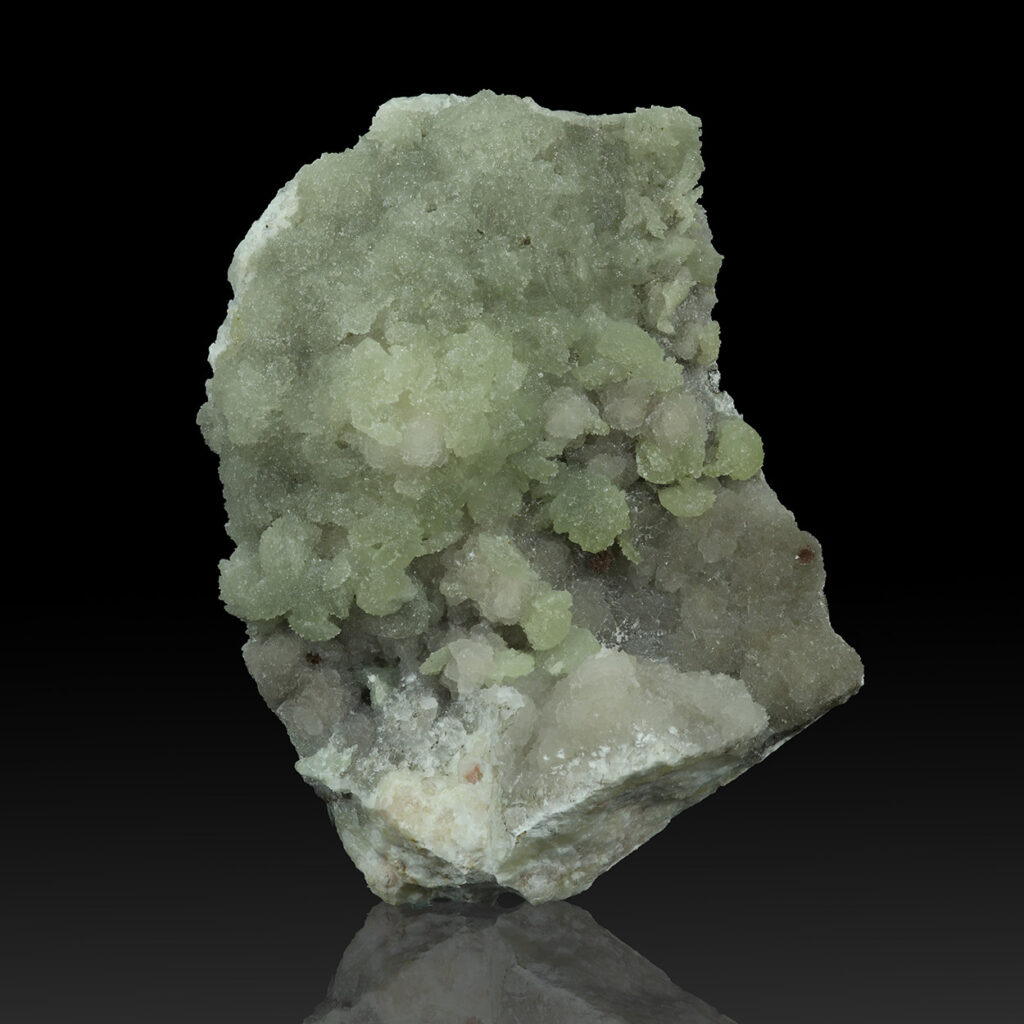
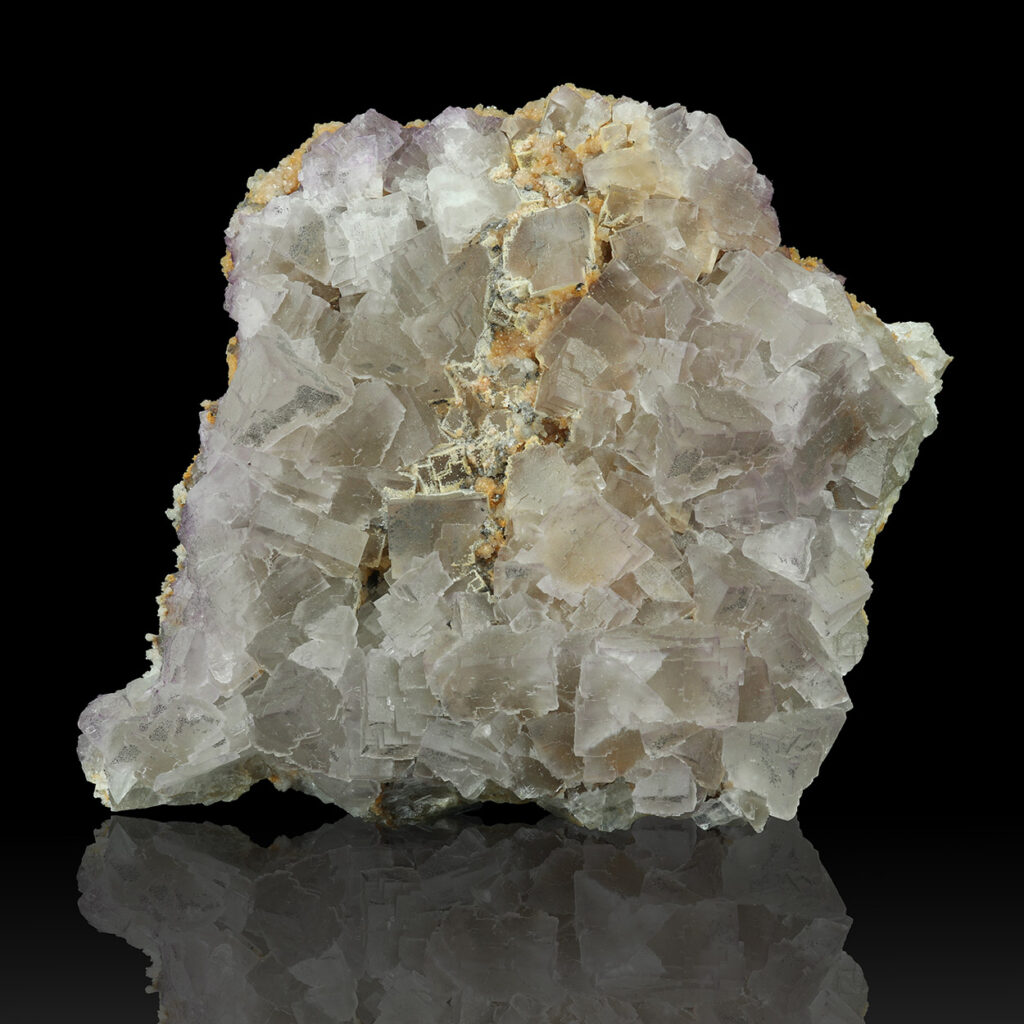
Step 3: Photograph Your Specimens Professionally


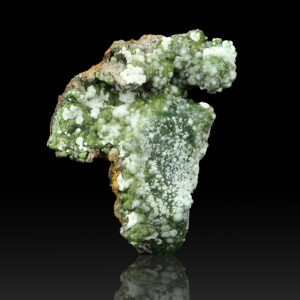
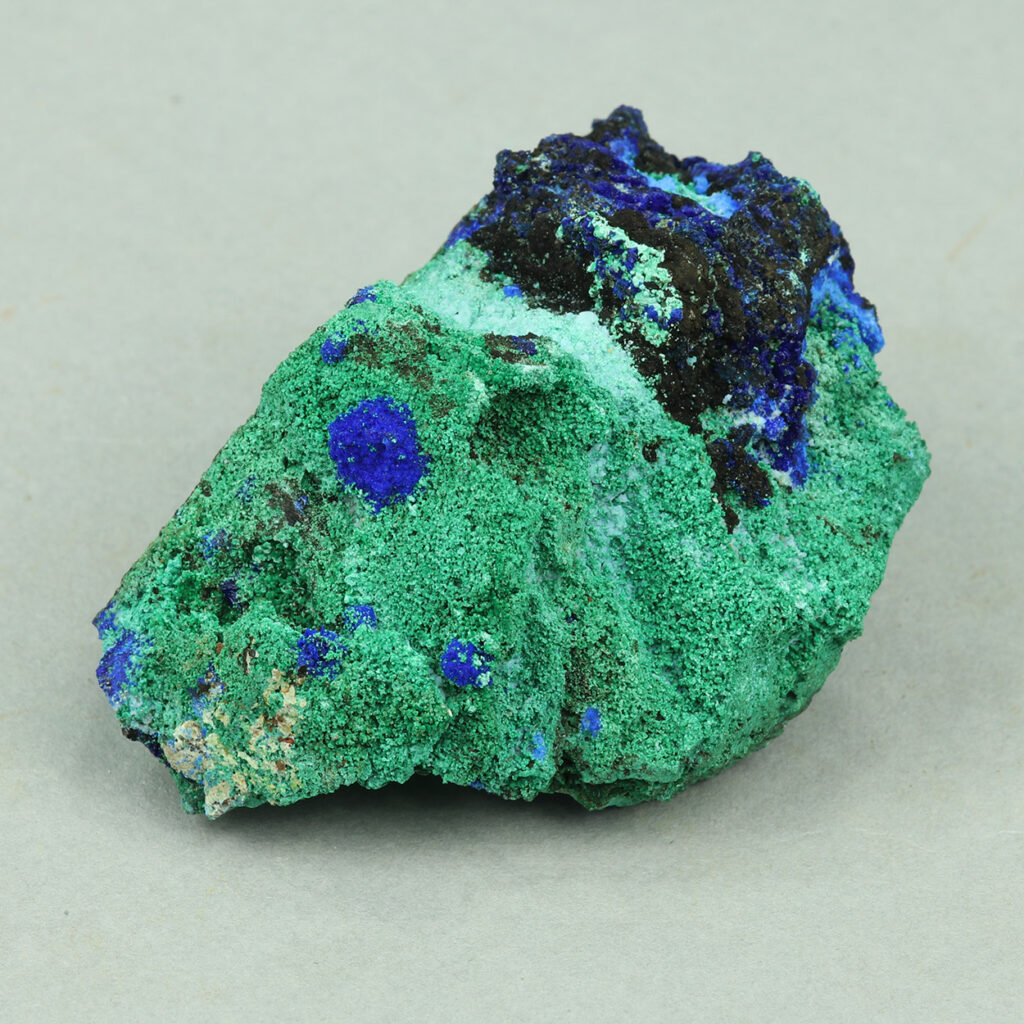
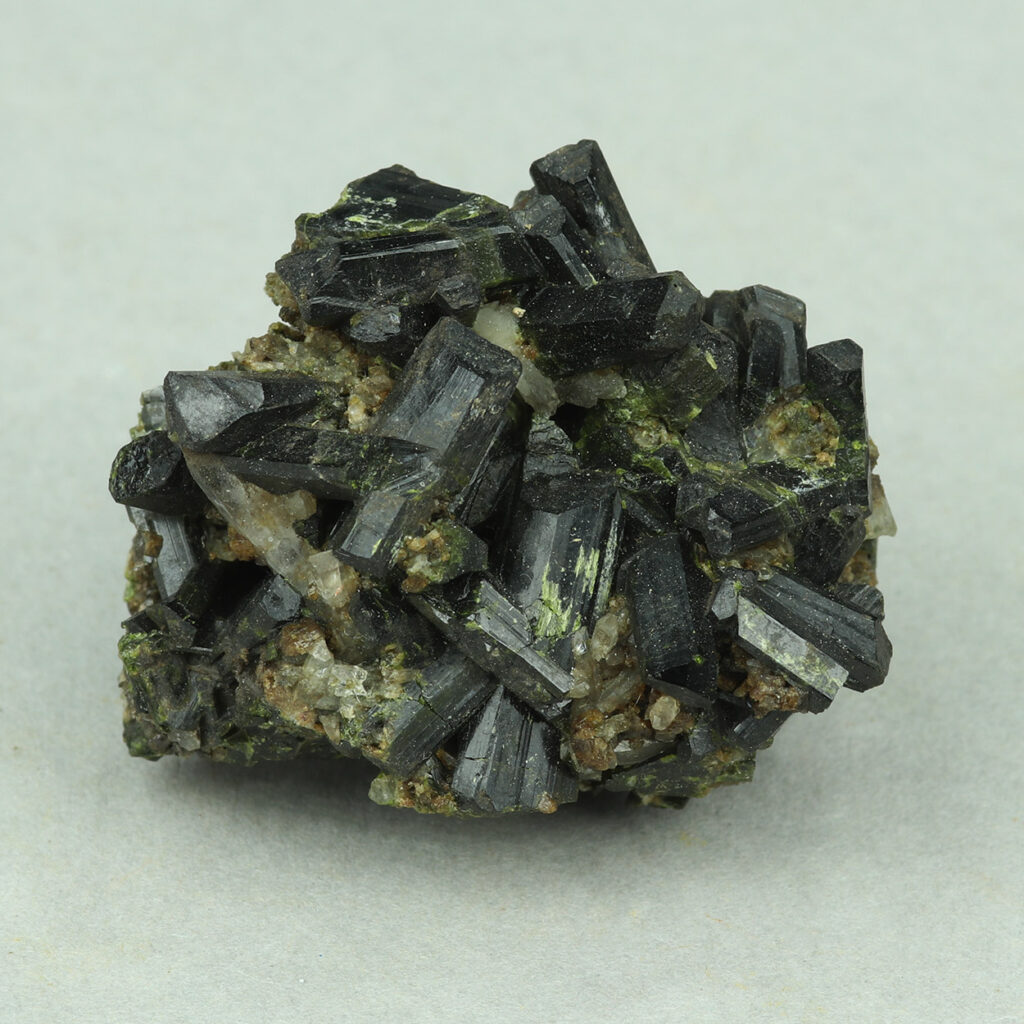
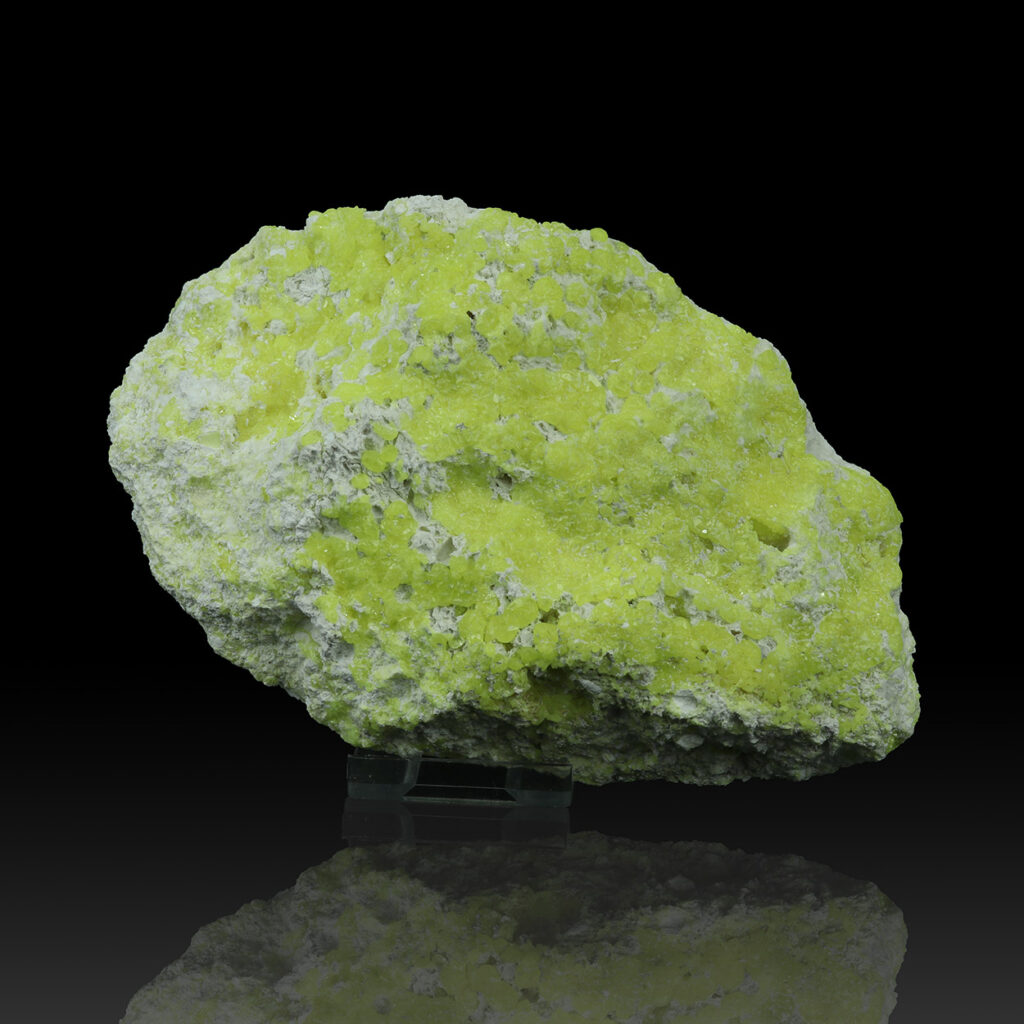
High-quality photos directly affect auction performance.
Best practices:
- Neutral or black background
- Sharp focus
- Multiple angles
- Include size reference
- Avoid heavy editing
Collectors buy with their eyes first.
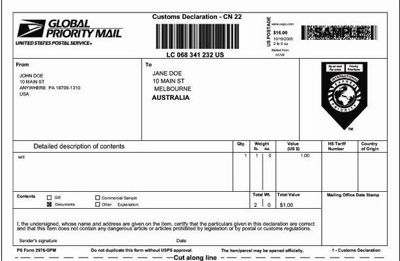
Step 4: Understand Shipping Economics

Shipping is critical in mineral auctions.
Dealers should:
- Clearly define shipping zones
- Include packaging materials in cost
- Consider combined shipping options
- Account for payment processing fees
Some platforms allow structured combined shipping systems that eliminate manual order merging and email back-and-forth — reducing friction for both dealer and buyer.
Step 5: Ensure Fast and Secure Payments
One of the biggest inefficiencies in older auction systems is delayed payment.
Modern auction platforms provide:
- Immediate checkout
- Integrated payment gateways
- Automatic order tracking
- Clear payment confirmation
Reducing unpaid invoices improves cash flow and reduces administrative workload.
Step 6: Maintain Consistency
Serious dealers build reputation through consistency.
To increase repeat buyers:
- List regularly
- Communicate clearly
- Ship promptly
- Maintain professional presentation
Predictability builds trust.
Common Mistakes When Selling Minerals at Auction
Avoid:
- Overpricing average specimens
- Poor photography
- Inconsistent shipping rules
- Delayed communication
- Excessive relisting without price adjustment
Auction markets reward realism.
Is Selling Minerals at Auction Right for You?
If you:
- Want global exposure
- Prefer structured selling cycles
- Value automated payment systems
- Want to reduce manual invoicing
…then auction platforms can be highly efficient.
The key is choosing a platform that supports dealers operationally — not one that increases administrative burden.
Final Thoughts
Selling minerals at auction is not just about listing inventory — it’s about efficiency, presentation, and workflow.
Dealers who combine strategic pricing, professional photography, and streamlined shipping processes can significantly increase both turnover and buyer satisfaction.
If you are ready to sell minerals at auction, start by choosing a platform that aligns with your operational style and long-term goals.